zaterdag 31 maart 2012
vrijdag 30 maart 2012


THE AMESBURY ARCHER
Background
 The grave of the Amesbury Archer
On May 3rd 2002, archaeologists from Wessex Archaeology found the grave of a man dating back to around 2,300BC, the Early Bronze Age in Britain, at Amesbury in Wiltshire, England. The grave lay three miles south-east of Stonehenge.
The grave contained the richest array of items ever found from this period. Around 100 objects were found, including the complete skeleton of a man, three copper knives, two small gold hair tresses, two sandstone wristguards to protect his wrists from the bow string, 16 flint arrowheads and five pots.
This makes the grave the richest Bronze Age find in Britain - there are ten times the usual number of finds from other graves. The gold dated to as early as 2,470BC and is the earliest found in Britain. It seems likely that the objects were buried with the man, dubbed by the media the ‘Amesbury Archer', or the ‘King of Stonehenge', for his use in the next life.
Tests on the bones showed that the Archer was a man aged between 35 and 45. He was strongly built, but he had an abscess on his jaw and had suffered an accident a few years before his death that had ripped his left knee cap off. As a result of this he walked with a straight left which swung out to the side of him, and suffered from an infection in his bones which would have caused him constant pain.
Other tests on the enamel found on the Archer's teeth revealed that he grew up in central Europe. They could not reveal how long he had lived in Britain, only that he must have lived in the Alps region while a child, either Switzerland, Austria or Germany.
The Archer is important because he is the first example of a powerful elite who may well have organised the erection of Stonehenge. Stonehenge was begun in the late Stone Age, around 3,000BC, as a ditch and a bank enclosing an open space, but in about 2,300BC the world-famous stones were erected, the large 20-tonne Sarsen stones from the Marlborough Downs nearby and the smaller four-tonne Bluestones from Preseli in west Wales. How the Bluestones were transported 240 miles (380 kilometres) is not yet known.
donderdag 29 maart 2012
THE MEDIEVAL MIND: CLARISSA AND THE KING'S COOKBOOK. Clarissa Dickson Wright discusses The Forme of Cury - Britain's oldest known cookbook, a 700-year-old scroll written during the reign of King Richard II from recipes created by the kings master chefs and that have lain dormant for centuries. While researching the book she discovers dishes still in use today and has them prepared for a taste test. ©BBC
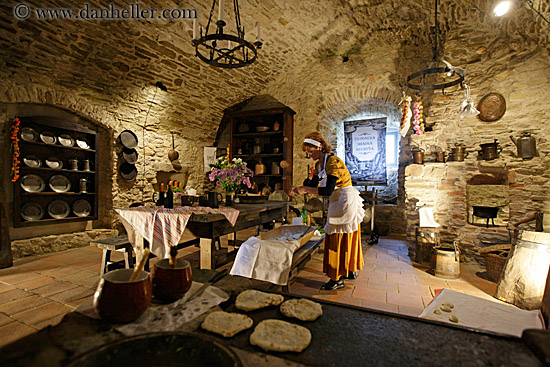
THE GREATEST KNIGHT. Dr Saul David investigates the violent world of the medieval melee tournament. Unlike the better known joust, this was a brutal brawl with sharpened weapons, few rules, and one undisputed champion- William Marshal. Saul investigates Marshal's life, discovering his epic rise from a tournament champion to the Regent of England who saved a kingdom on the battlefield. Saul also experiments with Marshal's weapons. ©BBC

woensdag 28 maart 2012

DRUG ABUSE AND ADDICTION IN WAR TIME
We’re all familiar with the ‘War on Drugs’ but what about drugs in war? Drug use in wartime is a topic rarely covered by mainstream media but each war has a distinct underlying drug culture attached to it. What’s interesting is that no army in recent history has ever successfully been able to curb drug use among their ranks. Of course not all military forces discourage the use of drugs. From the Napoleonic wars to Iraq and Afghanistan, drug use in the military doesn’t appear to be going away.
Note: There are many other examples of drugs in other conflicts, like amphetamine-pumped child soldiers in Sierra Leone, but this list covers mainly global conflicts.

French & British
The harsh discipline that came with serving during the Napoleonic wars was counterbalanced by the regular consumption of alcohol. Alcohol became very important for maintaining morale and discipline in the army. Army officials knew that if they attempted to regulate alcohol use they would be met with insurmountable resistance. Alcohol was the only way soldiers could escape. Many soldiers would spend their entire month’s wages on alcohol.
Officers had standing orders to avoid drunken privates since they would often attack their superiors. These orders lasted until the end of the war.

British
Part of a daily ration for the average British soldier included a half-gill of rum which is the equivalent of a eighth of a pint. Additional rations of rum were occasionally served prior to soldiers ‘going over’ (The term used for exiting the trench to advance on the enemy.) The amount given was at the discretion of the standing general.
Germans
German soldiers had a worse diet in terms of food but a much more varied diet when it came to alcohol. German soldiers had a daily ration that included a pint of beer, half a pint of wine and a quarter pint of spirits.

Germans
Drug use in World War II is easily the most institutionalized in recorded history. This was especially true for German military. The drug of choice for the German army was a methamphetamine designed to keep soldiers alert and functional for several hours/days. 35 million tablets of methamphetamine were shipped to the army and air force between just April and July 1940 alone. These methamphetamines were later banned in 1941 under the Opium Law but despite the ban a shipment of over 10 million tablets was sent to soldiers later that year.
Germans & Americans
The use of alcohol was also encouraged by the military. Alcohol became a crutch for many of the men serving at the time. This prevalent and habitual use of alcohol led to many otherwise preventable deaths and injuries. Production of bootlegged alcohol became a serious issue as many producers didn’t know the difference between consumable alcohol and methyl alcohol. Men who consumed spirits made with methyl alcohol became blind or succumbed to fatal alcohol poisoning. [Source]

Americans
The drug of choice of American soldiers during the Vietnam War was marijuana. For a majority of the war, marijuana use was largely ignored by army officials. In 1968 a major government initiative forced the army the crack down on marijuana use. By this point the use of the drug had become far too prevalent for the army to effectively combat. Army arrests had reached 1000 per week at its height and treatment centers were inundated.
The army began a massive anti-marijuana propaganda campaign to try and curb its use among soldiers. Officials claimed it would cause harmful long-term psychological effects.
The main concern was that the use of marijuana was affecting missions. What many politicians and anti-marijuana lobbyists didn’t realize is that there was internal policing of marijuana use by the soldiers themselves. Marijuana did not affect military operations because it was only used in non-combat situations. The soldiers knew their lives were on the line and if men in their unit were using marijuana in combat situation it would compromise their safety. [Source]

Americans
The statistics provided by the US military regarding the drug and alcohol abuse by soldiers is universally viewed as a gross misrepresentation of the actual problem that the military faces. Substance abuse is steadily on the rise and soldiers are returning home with life-altering drug addictions.
As it stands, there is a blanket ‘don’t ask don’t tell’ policy in the army and there are vastly differing opinions concerning drug use from one level of authority to the next. Medics are generally known to be the ‘dealers’ and as a soldier they’re your best bet if you’re looking to get drugs of any kind.
Note: There are many other examples of drugs in other conflicts, like amphetamine-pumped child soldiers in Sierra Leone, but this list covers mainly global conflicts.
Napoleonic Wars
French & British
The harsh discipline that came with serving during the Napoleonic wars was counterbalanced by the regular consumption of alcohol. Alcohol became very important for maintaining morale and discipline in the army. Army officials knew that if they attempted to regulate alcohol use they would be met with insurmountable resistance. Alcohol was the only way soldiers could escape. Many soldiers would spend their entire month’s wages on alcohol.
Officers had standing orders to avoid drunken privates since they would often attack their superiors. These orders lasted until the end of the war.
Source: British Military Spectacle: From the Napoleonic Wars through the Crimea by Scott Myerly
World War I
British
Part of a daily ration for the average British soldier included a half-gill of rum which is the equivalent of a eighth of a pint. Additional rations of rum were occasionally served prior to soldiers ‘going over’ (The term used for exiting the trench to advance on the enemy.) The amount given was at the discretion of the standing general.
Germans
German soldiers had a worse diet in terms of food but a much more varied diet when it came to alcohol. German soldiers had a daily ration that included a pint of beer, half a pint of wine and a quarter pint of spirits.
World War II
Germans
Drug use in World War II is easily the most institutionalized in recorded history. This was especially true for German military. The drug of choice for the German army was a methamphetamine designed to keep soldiers alert and functional for several hours/days. 35 million tablets of methamphetamine were shipped to the army and air force between just April and July 1940 alone. These methamphetamines were later banned in 1941 under the Opium Law but despite the ban a shipment of over 10 million tablets was sent to soldiers later that year.
Germans & Americans
The use of alcohol was also encouraged by the military. Alcohol became a crutch for many of the men serving at the time. This prevalent and habitual use of alcohol led to many otherwise preventable deaths and injuries. Production of bootlegged alcohol became a serious issue as many producers didn’t know the difference between consumable alcohol and methyl alcohol. Men who consumed spirits made with methyl alcohol became blind or succumbed to fatal alcohol poisoning. [Source]
Vietnam War
Americans
The drug of choice of American soldiers during the Vietnam War was marijuana. For a majority of the war, marijuana use was largely ignored by army officials. In 1968 a major government initiative forced the army the crack down on marijuana use. By this point the use of the drug had become far too prevalent for the army to effectively combat. Army arrests had reached 1000 per week at its height and treatment centers were inundated.
The army began a massive anti-marijuana propaganda campaign to try and curb its use among soldiers. Officials claimed it would cause harmful long-term psychological effects.
The main concern was that the use of marijuana was affecting missions. What many politicians and anti-marijuana lobbyists didn’t realize is that there was internal policing of marijuana use by the soldiers themselves. Marijuana did not affect military operations because it was only used in non-combat situations. The soldiers knew their lives were on the line and if men in their unit were using marijuana in combat situation it would compromise their safety. [Source]
Iraq II & Afghanistan
Americans
The statistics provided by the US military regarding the drug and alcohol abuse by soldiers is universally viewed as a gross misrepresentation of the actual problem that the military faces. Substance abuse is steadily on the rise and soldiers are returning home with life-altering drug addictions.
As it stands, there is a blanket ‘don’t ask don’t tell’ policy in the army and there are vastly differing opinions concerning drug use from one level of authority to the next. Medics are generally known to be the ‘dealers’ and as a soldier they’re your best bet if you’re looking to get drugs of any kind.
THOUGH HELL FOR HITLER. A tale of a veteran German Tank driver from the Second world war, taken from his auto-biography. He tells his story in flashbacks from his home in Britain as an old man. A matter-of-fact account of his youth before the war and his trials during his time as a soldier primarily on the Russian front.
dinsdag 27 maart 2012
maandag 26 maart 2012

zaterdag 24 maart 2012

Soviet Storm: WW2 in the East - Episode 02: Battle of Moscow -
Soviet Storm: WW2 in the East - Episode 02: Battle of Moscow - Watch Free Documentary Online - History Channel, Anna Grazhdan (director), David Riley (narrator)
From the very first days of the war the USSR capital had been preparing to defense.
Institutions and plants, embassies and ministries were evacuated. In order to organize the defense of Moscow and stifle the fascist offensive, Marshal Zhukov was called from Leningrad to Moscow.
According to the plan of German Operation Typhoon, all power of Army Group Center thrust was directed towards Moscow. Zhukov needed reserve and time, but he had none of them. And the German troops were being reinforced again and again.

From the very first days of the war the USSR capital had been preparing to defense.
Institutions and plants, embassies and ministries were evacuated. In order to organize the defense of Moscow and stifle the fascist offensive, Marshal Zhukov was called from Leningrad to Moscow.
According to the plan of German Operation Typhoon, all power of Army Group Center thrust was directed towards Moscow. Zhukov needed reserve and time, but he had none of them. And the German troops were being reinforced again and again.
Becoming Human - Episode 03: Last Human Standing - "Last Human Standing" the final program of the three-part series "Becoming Human," NOVA examines the fate of the Neanderthals, our European cousins who died out as modern humans spread from Africa into Europe during the Ice Age. Did modern humans interbreed with Neanderthals or exterminate them? The program explores crucial evidence from the recent decoding of the Neanderthal genome. How did modern humans take over the world? New evidence suggests that they left Africa and colonized the rest of the globe far earlier, and for different reasons, than previously thought. As for Homo sapiens, we have planet Earth to ourselves today, but that's a very recent and unusual situation. For millions of years, many kinds of hominids co-existed. At one time Homo sapiens shared the planet with Neanderthals, Homo erectus, and the mysterious "Hobbits"–three-foot-high humans who thrived on the Indonesian island of Flores until as recently as 12,000 years ago.
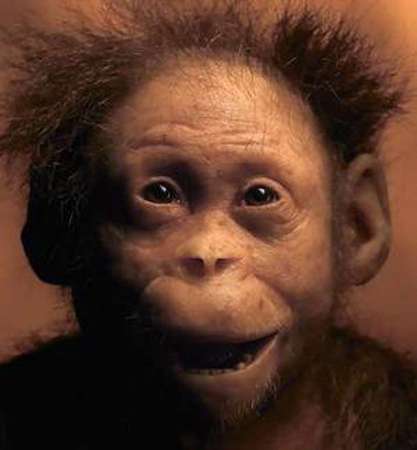
Becoming Human - Episode 02: Birth of Humanity - "Birth of Humanity" the second part of the three-part series "Becoming Human," NOVA investigates the first skeleton that really looks like us–"Turkana Boy"–an astonishingly complete specimen of Homo erectus found by the famous Leakey team in Kenya. These early humans are thought to have developed key innovations that helped them thrive, including hunting large prey, the use of fire, and extensive social bonds. The program examines an intriguing theory that long-distance running–our ability to jog–was crucial for the survival of these early hominids. Not only did running help them escape from vicious predators roaming the grasslands, but it also gave them a unique hunting strategy: chasing down prey animals such as deer and antelope to the point of exhaustion. "Birth of Humanity" also probes how, why, and when humans' uniquely long period of childhood and parenting began.
vrijdag 23 maart 2012
Who Will Save the Euro? It is not just the banks that are in danger of going under. It is entire economies. They are the ones in need of emergency cash to stay afloat. For some time we have been saying that Europe's financial 'white knight' may end up wearing Chinese armour or even a South American uniform?

American Visions - Episode 08: Age of Anxiety - American Visions, an eight-part series on American art written and narrated by Time magazine art critic Robert Hughes, is both an account of American life and a tribute to American art that will likely propel thousands of the not-yet-converted into museums and galleries, antiques shows and auction rooms to see (and inevitably shop) for themselves.

donderdag 22 maart 2012
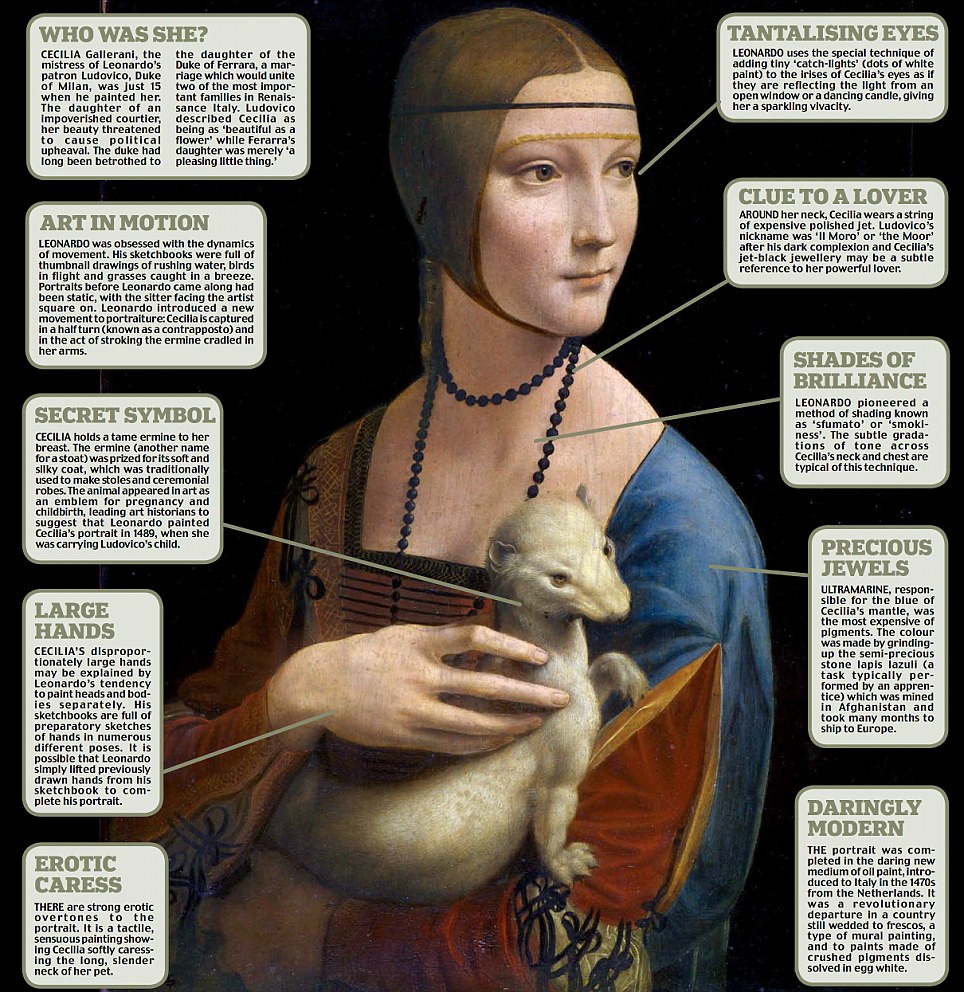
DECODED: LEONARDO DA VINCI - What if I told you that the crystal ball for our future may be found in the work of Leonardo Da Vinci? Experts believe an obscure sketch that was stolen and hidden by a Cardinal in the Catholic Church may be part of Da Vinci's cryptic prophecies. But what exactly was Leonardo predicting, and why was it so dangerous that a Cardinal felt the need to hide it from the world? To comprehend Da Vinci's predictions for our future, the team investigates history's greatest mind, uncovering Da Vinci's controversial political views, his blasphemous obsession with death, and even the mystery shrouding the Mona Lisa's identity

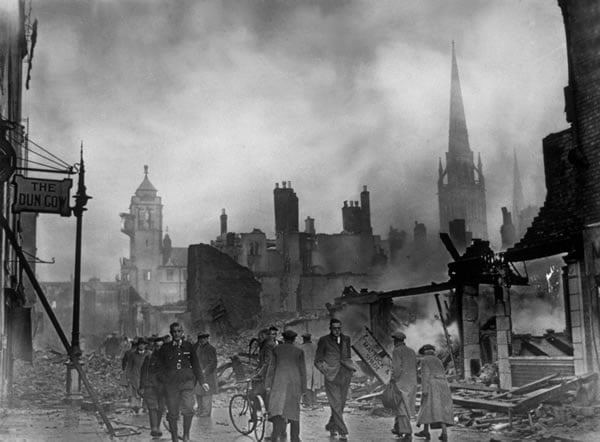
The invaluable and often overlooked work done by the P.R.U (photo reconnaissance units) done during World War Two, included the discovery and pinpointing of Hitler's V-Weapons. Many of these rockets and their launch sites were then destroyed by R.A.F. and U.S.A.A.F. bombing before they could be launched against Allied targets.

BRITAIN AT WAR (IN COLOUR). Documentary and newsreel film of World War II has been seen before, but Britain at War - In Colour is different. Much of the footage here was shot unofficially by servicemen and civilians as a personal record of events unfolding, giving the three programmes a more inward, human quality. "Darkest Hour" covers the period from the government's failed policy of appeasement, through the months of misfortune and failure, to the turn of the tide in North Africa late in 1942.

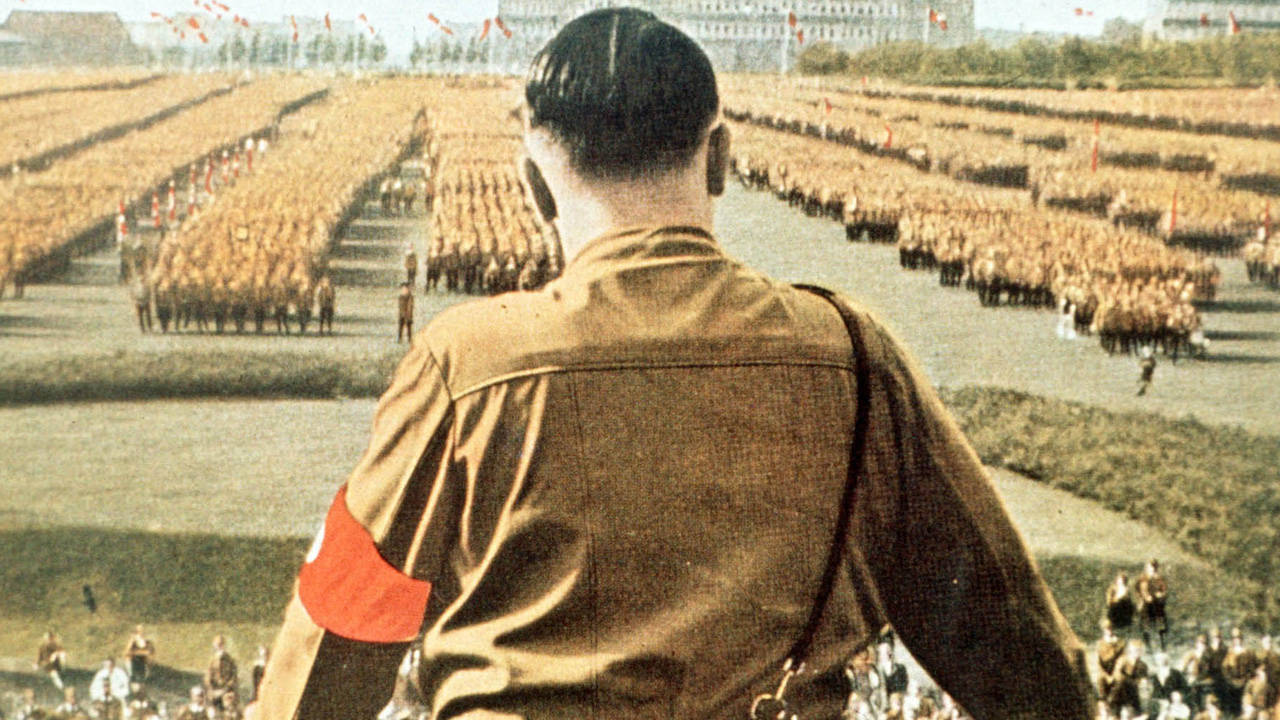
THE NAZI PLUNDERING OF EUROPE - Secrets of World War II -- Throughout occupied Europe the Nazis systematically plundered the continent's museums, galleries, and private collections. At the war's end, a massive effort was mounted by the Allies to locate the missing art treasures and return them to their rightful owners. But even today many great objects are still unlocated.

maandag 19 maart 2012
Theodore J. Kaczynski: The Unabomber
Theodore J. Kaczynski: The Unabomber - Watch Free Documentary Online - A&E, Biography, Patti Hassler, Brett Alexander, David Frifield
FBI agents, including Oliver "Buck" Revell, who headed the Unabom investigation, trace the often-frustrating course of their long inquiry, from the first bomb in 1978 to the arrest of Kaczynski at his remote Montana cabin. The program also traces Kaczynski's life before he dropped out of society, interviewing his college roommate and a childhood neighbor.

FBI agents, including Oliver "Buck" Revell, who headed the Unabom investigation, trace the often-frustrating course of their long inquiry, from the first bomb in 1978 to the arrest of Kaczynski at his remote Montana cabin. The program also traces Kaczynski's life before he dropped out of society, interviewing his college roommate and a childhood neighbor.
Who Killed Martin Luther King?
Who Killed Martin Luther King? - Watch Free Documentary Online - Michel Parbot
Memphis. April 4 1968. One shot and the voice of America s most enduring symbol of non-violent struggle is silenced. A stunned nation is left to wonder why and how. Now for the first time on DVD Who Killed Martin Luther King? confronts these questions for a new generation of Americans. This award-winning documentary makes adroit use of archival footage and revealing interviews with convicted assassin James Earl Ray Martin Luther King III former FBI agents and intelligence experts deftly linking many disparate elements into a logical whole and forcing us to confront the shocking reality of a government gone wild.

Memphis. April 4 1968. One shot and the voice of America s most enduring symbol of non-violent struggle is silenced. A stunned nation is left to wonder why and how. Now for the first time on DVD Who Killed Martin Luther King? confronts these questions for a new generation of Americans. This award-winning documentary makes adroit use of archival footage and revealing interviews with convicted assassin James Earl Ray Martin Luther King III former FBI agents and intelligence experts deftly linking many disparate elements into a logical whole and forcing us to confront the shocking reality of a government gone wild.
vrijdag 16 maart 2012
Harlan County, U.S.A.
Harlan County, U.S.A. - Watch Free Documentary Online - Barbara Kopple
EXTRA: http://youtu.be/rN97AkoiOHQ
WE HAVE BEEN CLOSE BEFORE. dM, SiTU
Harlan County, USA is an Oscar-winning 1976 documentary film covering the "Brookside Strike" or "Bloody Harlan", an effort of 180 coal miners and their wives against the Duke Power Company-owned Eastover Coal Company's Brookside Mine and Prep Plant in Harlan County, Kentucky in 1973. Directed by Barbara Kopple, who has long been an advocate of workers' rights, Harlan County, U.S.A. is less ambivalent in its attitude toward unions than her later American Dream, the account of the Hormel Foods strike in Austin, Minnesota in 1985-86..

EXTRA: http://youtu.be/rN97AkoiOHQ
WE HAVE BEEN CLOSE BEFORE. dM, SiTU
Harlan County, USA is an Oscar-winning 1976 documentary film covering the "Brookside Strike" or "Bloody Harlan", an effort of 180 coal miners and their wives against the Duke Power Company-owned Eastover Coal Company's Brookside Mine and Prep Plant in Harlan County, Kentucky in 1973. Directed by Barbara Kopple, who has long been an advocate of workers' rights, Harlan County, U.S.A. is less ambivalent in its attitude toward unions than her later American Dream, the account of the Hormel Foods strike in Austin, Minnesota in 1985-86..
The Rageh Omaar Report: Zimbabwe - State of Denial -
The Rageh Omaar Report: Zimbabwe - State of Denial - Watch Free Documentary Online - Al Jazeera, Rageh Omaar
Thirty years after becoming a nation, and 30 years after Robert Mugabe and ZANU PF came to power, Zimbabwe does not appear to have fulfilled the hopes that so many had at independence.
A country which was meant to have buried the racism of white minority rule has once again become a place where some Zimbabweans are more equal than others. A land which once exported billions in agricultural products will, it seems, spend another year reliant on food aid.
The disputed 2008 election brought about a government of national unity in which ZANU PF, in theory, ceded some of its power to the opposition Movement for Democratic Change (MDC).
But this is a marriage of convenience which appears to have satisfied neither party.
ZANU PF feel they should not have to share power with a party they consider to be a puppet of the West, while the MDC are unable to exercise authority as an equal partner in government.
Morgan Tsvangirai, the head of the MDC, has been sworn in as prime minister, and the MDC have been given several other ministries, including finance, but ZANU PF refuses to swear in their choice for deputy agriculture minister, Roy Bennett, or to sack Gideon Gono, the former head of the Reserve Bank whom the MDC see as responsible for many of the country's current economic problems.
The fact that the MDC's demands fall on deaf ears says a great deal about where power still lies. ZANU PF retain control of the police, the army and the ministry of justice and no successful prosecutions have been brought against ZANU PF for the acts of violence perpetrated against the MDC. Conversely, MDC members, including many of its MPs, have found themselves the subject of a series of court cases for crimes as serious as high treason.
The explanations for this crisis are equally polarised.
The MDC says it is the result of 30 years of bad governance and kleptocracy. ZANU PF says it is the responsibility of the international community which has, it claims, isolated Zimbabwe economically in response to ZANU PF's policy of land reform.
Both ZANU PF and the MDC appear to be in a state of denial about the true condition of Zimbabwe at 30, and this cannot be the best way for the country to start its fourth decade as a nation.

Thirty years after becoming a nation, and 30 years after Robert Mugabe and ZANU PF came to power, Zimbabwe does not appear to have fulfilled the hopes that so many had at independence.
A country which was meant to have buried the racism of white minority rule has once again become a place where some Zimbabweans are more equal than others. A land which once exported billions in agricultural products will, it seems, spend another year reliant on food aid.
The disputed 2008 election brought about a government of national unity in which ZANU PF, in theory, ceded some of its power to the opposition Movement for Democratic Change (MDC).
But this is a marriage of convenience which appears to have satisfied neither party.
ZANU PF feel they should not have to share power with a party they consider to be a puppet of the West, while the MDC are unable to exercise authority as an equal partner in government.
Morgan Tsvangirai, the head of the MDC, has been sworn in as prime minister, and the MDC have been given several other ministries, including finance, but ZANU PF refuses to swear in their choice for deputy agriculture minister, Roy Bennett, or to sack Gideon Gono, the former head of the Reserve Bank whom the MDC see as responsible for many of the country's current economic problems.
The fact that the MDC's demands fall on deaf ears says a great deal about where power still lies. ZANU PF retain control of the police, the army and the ministry of justice and no successful prosecutions have been brought against ZANU PF for the acts of violence perpetrated against the MDC. Conversely, MDC members, including many of its MPs, have found themselves the subject of a series of court cases for crimes as serious as high treason.
The explanations for this crisis are equally polarised.
The MDC says it is the result of 30 years of bad governance and kleptocracy. ZANU PF says it is the responsibility of the international community which has, it claims, isolated Zimbabwe economically in response to ZANU PF's policy of land reform.
Both ZANU PF and the MDC appear to be in a state of denial about the true condition of Zimbabwe at 30, and this cannot be the best way for the country to start its fourth decade as a nation.
Fault Lines - Horn of Africa Crisis: Somalia's Famine -
Fault Lines - S03E09 Horn of Africa Crisis: Somalia's Famine - Watch Free Documentary Online - Al Jazeera
The worst drought in 60 years has thrown some 13 million people across the Horn of Africa into crisis.
In Somalia, ravaged by two decades of conflict, the consequences have been disastrous. For over six months, aid agencies on the ground sounded the alarm that a major drought and famine was on the horizon.
Then in July and August, the world watched and international aid agencies scrambled as tens of thousands of Somalis fled famine and fighting in the devastated Southern part of the country, controlled by the armed group al-Shabab. And they continued to flee - to the Somali capital of Mogadishu, and refugee camps in Kenya and Ethiopia - in the following months, when the world seemed to lose interest.
Tens of thousands of Somalis have died and the UN has warned that three quarters of a million more are at risk of dying before the end of the year.

The worst drought in 60 years has thrown some 13 million people across the Horn of Africa into crisis.
In Somalia, ravaged by two decades of conflict, the consequences have been disastrous. For over six months, aid agencies on the ground sounded the alarm that a major drought and famine was on the horizon.
Then in July and August, the world watched and international aid agencies scrambled as tens of thousands of Somalis fled famine and fighting in the devastated Southern part of the country, controlled by the armed group al-Shabab. And they continued to flee - to the Somali capital of Mogadishu, and refugee camps in Kenya and Ethiopia - in the following months, when the world seemed to lose interest.
Tens of thousands of Somalis have died and the UN has warned that three quarters of a million more are at risk of dying before the end of the year.
A History of Scotland - God's Chosen People
A History of Scotland S02E01 - God's Chosen People - Watch Free Documentary Online - BBC, Neil Oliver (presenter)
Neil Oliver continues his journey through Scotland's past with the story of the Covenanters, whose profound religious beliefs were declared in the National Covenant of 1638. This document licensed revolution, started the Civil War that cost King Charles I his head, cost tens of thousands of Scots their lives and led to Britain's first war on terror.
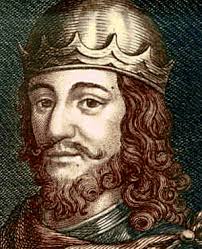
ROBERT LE BRUCE, KING OF SCOTLAND
Neil Oliver continues his journey through Scotland's past with the story of the Covenanters, whose profound religious beliefs were declared in the National Covenant of 1638. This document licensed revolution, started the Civil War that cost King Charles I his head, cost tens of thousands of Scots their lives and led to Britain's first war on terror.
ROBERT LE BRUCE, KING OF SCOTLAND
donderdag 15 maart 2012
Life and Debt
Life and Debt - Watch Free Documentary Online - A Tuff Gong Pictures Production, Stephanie Black
Utilizing excerpts from the award-winning non-fiction text "A Small Place" by Jamaica Kincaid, Life & Debt is a woven tapestry of sequences focusing on the stories of individual Jamaicans whose strategies for survival and parameters of day-to-day existence are determined by the U.S. and other foreign economic agendas. By combining traditional documentary telling with a stylized narrative framework, the complexity of international lending, structural adjustment policies and free trade will be understood in the context of the day-to-day realities of the people whose lives they impact.

Utilizing excerpts from the award-winning non-fiction text "A Small Place" by Jamaica Kincaid, Life & Debt is a woven tapestry of sequences focusing on the stories of individual Jamaicans whose strategies for survival and parameters of day-to-day existence are determined by the U.S. and other foreign economic agendas. By combining traditional documentary telling with a stylized narrative framework, the complexity of international lending, structural adjustment policies and free trade will be understood in the context of the day-to-day realities of the people whose lives they impact.
woensdag 14 maart 2012
History Cold Case - Crossbones Girl -
History Cold Case - S01E04 Crossbones Girl - Watch Free Documentary Online - BBC, Natalie Humphreys, Neil Ferguson
Professor Sue Black and her team of forensic anthropologists at the University of Dundee examine a skeleton that was unearthed in an archaeological dig in Southwark, London. When it is found to be covered with disfiguring scars, they use the latest facial reconstruction techniques to reveal the identity of one of history's missing persons and end up discovering much more than they bargained for.

Professor Sue Black and her team of forensic anthropologists at the University of Dundee examine a skeleton that was unearthed in an archaeological dig in Southwark, London. When it is found to be covered with disfiguring scars, they use the latest facial reconstruction techniques to reveal the identity of one of history's missing persons and end up discovering much more than they bargained for.
dinsdag 13 maart 2012

Code-Breakers: Bletchley Park's Lost Heroes
Code-Breakers: Bletchley Park's Lost Heroes - Watch Free Documentary Online - BBC, Timewatch, Tim Green, Julian Carey, Keeley Hawes (narrator)

Description
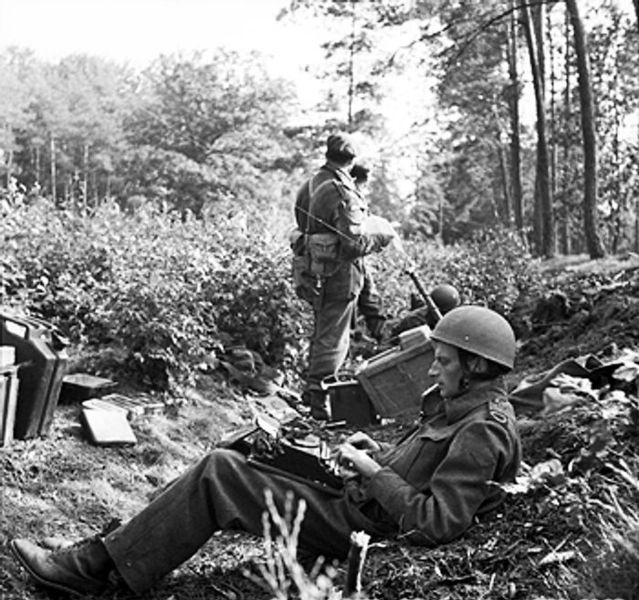
Keeley Hawes narrates the story of a secret Second World War mission in which a 24-year-old maths student and a GPO engineer tried to crack Adolf Hitler's personal code machine - reputed to be even more secure than the Nazis' renowned Enigma code. The duo's project led to one of the major breakthroughs of the war and played an important role in ending the conflict in Europe, but because it remained a secret long after the fighting had ended, the two men who devised the plan were never officially recognized.
zondag 11 maart 2012


zaterdag 10 maart 2012
Lost King of the Maya
Lost King of the Maya - Watch Free Documentary Online - PBS, Nova, Melanie Wallace, Paula S. Apsell
Lost King of the Maya In an ancient Mayan arena, enemies of notorious King Yax K’uk Mo square off in a ball game that appears much like modern soccer.
Lost King of the Maya In an ancient Mayan arena, enemies of notorious King Yax K’uk Mo square off in a ball game that appears much like modern soccer.
But in this fateful contest, winners live—and losers lose their heads. From 200 to 900 A.D., Yax K’uk Mo’s dynasty of Blood Lords presided over the Maya city of Copan, conducting hallucinogenic vision quests, ritual warfare and human sacrifice.
Join a team of archaeologists and historians who are piecing together the fascinating rise and fall of this ancient city, its legendary founder, Yax K’uk Mo and its amazingly advanced culture.
Maya Lords of the Jungle The civilization of the Maya, which rose out of Central America’s rain forests more than 2000 years ago, grew to dizzying heights of achievement before declining precipitously in the ninth century AD No one yet knows why Maya civilization collapsed, but in Maya Lords of the Jungle, we witness the quest for an answer as archaeologists investigate temples and monuments, piece together the meaning of a complex hieroglyphic language, and analyze Maya trade routes and agricultural techniques.

Hi-Tech Hitler
Hi-Tech Hitler - Watch Free Documentary Online - History Channel, Andrew Webb, Emma Gregory (narrator)
Germany is portrayed as a nation leading the world in science and technology prior to World War Two. But it squandered this wealth of knowledge, which should have enabled it to win the war, because the high command was selective about those advances they would favor. Examples are provided of technologies that languished under Nazism but exploded into new industries when they reached other countries after the war.
Germany is portrayed as a nation leading the world in science and technology prior to World War Two. But it squandered this wealth of knowledge, which should have enabled it to win the war, because the high command was selective about those advances they would favor. Examples are provided of technologies that languished under Nazism but exploded into new industries when they reached other countries after the war.
China's Ghost Army
China's Ghost Army - Watch Free Documentary Online - National Geographic, Steven R. Talley, Andrew Laing (narrator)
Exploring the mysteries of Qui Shi Huangdi's 8,000-strong terracotta army, which was discovered in 1974 in the Shaanxi province of China. Using face recognition technology, archaeological research and interviews with craftsmen who built life-size replicas, experts unravel the secrets of one of the most impressive finds of the 20th century.

Exploring the mysteries of Qui Shi Huangdi's 8,000-strong terracotta army, which was discovered in 1974 in the Shaanxi province of China. Using face recognition technology, archaeological research and interviews with craftsmen who built life-size replicas, experts unravel the secrets of one of the most impressive finds of the 20th century.
woensdag 7 maart 2012

dinsdag 6 maart 2012
Bosnian Pyramids
Bosnian Pyramids - Watch Free Documentary Online - FTV
The Bosnian Pyramid of the Sun, with its’ height of 220 meters, it’s much higher than the Great Pyramid of Egypt, which was originally 147. The Bosnian Pyramid of the Moon, 190 meters, also higher than the Keopsove Pyramid. The third, the Bosnian Pyramid of the Dragon, with the other two – the sun and the moon – form the perfect triangle with the distance of 2.2 kilometers.
The Bosnian Pyramid of the Sun, with its’ height of 220 meters, it’s much higher than the Great Pyramid of Egypt, which was originally 147. The Bosnian Pyramid of the Moon, 190 meters, also higher than the Keopsove Pyramid. The third, the Bosnian Pyramid of the Dragon, with the other two – the sun and the moon – form the perfect triangle with the distance of 2.2 kilometers.
The 45-year-old is so certain two pyramids are hidden in Visoko valley that he has spent some 16,000 euros (20,000 dollars) researching the area, located either side of a river about 30 kilometres (18 miles) from the Bosnian capital.
Residents of the nearby town of Visoko have long known about the presence of the two structures they always referred to as ‘pyramids’ but none of them was ever intrigued enough to investigate further.

PYRAMID OF THE SUN, BOSNIA
PYRAMID OF THE SUN, BOSNIA
The 9/11 Decade - Episode 02: The Image War
The 9/11 Decade - Episode 02: The Image War - Watch Free Documentary Online - Al Jazeera
9/11: It was a PR stunt which killed thousands and launched a propaganda war that has, so far, lasted a decade.
Since then, the US and Al-Qaeda have competed furiously to win 'hearts and minds' with elaborate media strategies. Spin, threats, lies, censorship, the killing of journalists; how far has each side been prepared to go to win the propaganda war?
In the 'war on terror' the exploitation of images was to become a matter of life and death, as both the US and Al-Qaeda bombarded the world with media designed to win people over to their side.
It started with 9/11 itself: an act of terror staged as a global media event and the catalyst for a decade of propaganda war.
But Al-Qaeda's canny use of 9/11 imagery, which included saving footage of the attackers for release at a later date so as to maximize publicity, gave way to serious errors in judgement as the group's use of beheadings not only terrorized viewers but also alienated one-time sympathizers.
The US, for its part, did not perform any better with Guantanamo Bay and Abu Ghraib becoming prime examples of how to lose a war.
And so, the image war goes on.
9/11: It was a PR stunt which killed thousands and launched a propaganda war that has, so far, lasted a decade.
Since then, the US and Al-Qaeda have competed furiously to win 'hearts and minds' with elaborate media strategies. Spin, threats, lies, censorship, the killing of journalists; how far has each side been prepared to go to win the propaganda war?
In the 'war on terror' the exploitation of images was to become a matter of life and death, as both the US and Al-Qaeda bombarded the world with media designed to win people over to their side.
It started with 9/11 itself: an act of terror staged as a global media event and the catalyst for a decade of propaganda war.
But Al-Qaeda's canny use of 9/11 imagery, which included saving footage of the attackers for release at a later date so as to maximize publicity, gave way to serious errors in judgement as the group's use of beheadings not only terrorized viewers but also alienated one-time sympathizers.
The US, for its part, did not perform any better with Guantanamo Bay and Abu Ghraib becoming prime examples of how to lose a war.
And so, the image war goes on.
zondag 4 maart 2012
The Mystery of The Black Death
The Mystery of The Black Death - Watch Free Documentary Online - BBC, Timewatch, Sam Roberts, Michael Praed (narrator)
An investigation into the causes of the notorious Black Death, which devastated 14th-century Europe and killed up to half its population. New evidence suggests the disease was not bubonic plague spread by rats, but could instead have been a deadly virus which mysteriously vanished yet may still exist in the world today.

An investigation into the causes of the notorious Black Death, which devastated 14th-century Europe and killed up to half its population. New evidence suggests the disease was not bubonic plague spread by rats, but could instead have been a deadly virus which mysteriously vanished yet may still exist in the world today.